What is electrolytic copper?
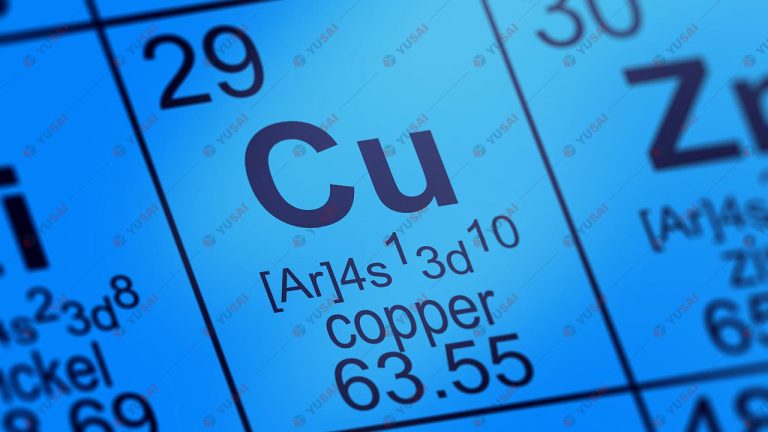
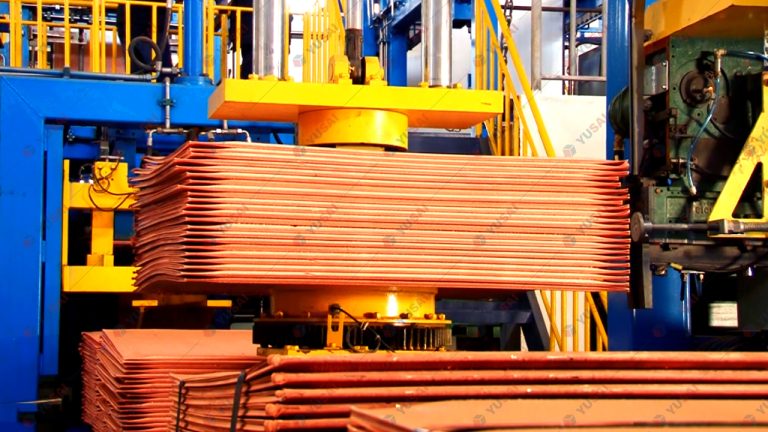
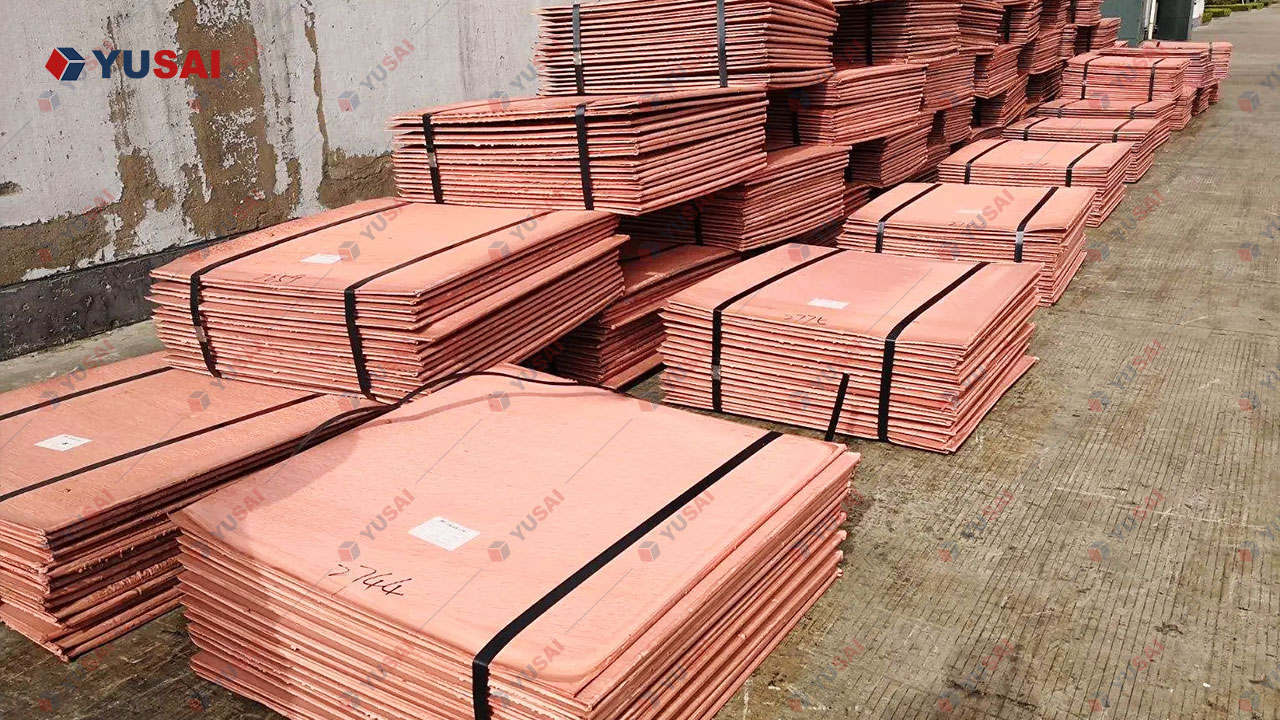
Electrolytic copper (also known as copper cathode) is a high-purity copper material produced through the electrolytic refining process. It is widely used in sectors such as industrial manufacturing, electronics and electrical engineering, and national defense. Its defining characteristics are its extremely high purity (≥99.95%) and its excellent electrical conductivity, ductility, and corrosion resistance. The following sections detail its production process, key characteristics, application scenarios, and how it differs from other copper materials.
1. Production process of electrolytic copper
The production of electrolytic copper relies on electrolytic refining technology. The process flow is as follows:
Anode and Cathode: Blister copper (containing approximately 99% copper) is cast into thick anode plates, while thin sheets of pure copper serve as cathodes.
Electrolyte: A mixed solution of sulfuric acid and copper sulfate is used as the conductive medium.
Electrolytic Reaction: Upon the application of electric current, copper ions (Cu²⁺) from the blister copper anode dissolve into the solution and deposit onto the cathode surface, forming copper cathodes with a purity of ≥99.95%; impurities precipitate as anode slime.
This process efficiently removes impurities such as gold, silver, and lead from blister copper, significantly enhancing copper purity. According to data from the International Copper Study Group (ICSG), approximately 80% of the world’s refined copper is produced via the electrolytic method.
2. Key characteristics of electrolytic copper
High Purity: The copper content of electrolytic copper is typically above 99.95%; the purity of certain high-purity copper cathodes (such as those under HS Code 7403111101) can reach 99.9935%.
Excellent Physical Properties:
Electrical and Thermal Conductivity: Electrical conductivity is approximately 58 × 10⁶ S/m—second only to silver—making it widely used for power transmission.
Mechanical Properties: Tensile strength reaches 200–250 MPa; it possesses good ductility and can be processed into various forms such as wire and sheet metal.
Chemical Stability: It is resistant to atmospheric corrosion and certain types of acid and alkali corrosion, making it suitable for use in complex environments. 3. Four Major Application Areas for Electrolytic Copper
Electrical and Electronics Industry (accounting for over 50% of global consumption):
Power transmission: Cables, wires, and transformer windings.
Electronic components: Printed circuit boards (PCBs) and integrated circuit lead frames.
Machinery Manufacturing:
Corrosion-resistant parts: Industrial valves, bearings, and heat exchangers.
Precision molds: Leveraging high ductility to machine complex parts.
Defense and Military Industry:
Bullet and artillery shell casings (consuming 13–14 tons of copper per million rounds).
Firearm and artillery components requiring a balance of strength and electrical conductivity.
Construction and Chemical Industry:
Construction piping and decorative materials.
Chemical reactors and distillation equipment (requiring corrosion resistance).
4. Differences Between Electrolytic Copper and Other Copper Materials
Pure Copper (Red Copper):
Pure copper that has not undergone electrolysis (e.g., grades T1–T4); it offers superior electrical conductivity but slightly lower purity (approx. 99.9%) and is commonly used for standard electrical components like brushes and switches.
Copper Alloys:
Brass: Copper-zinc alloy (zinc content 40%–60%); high hardness; used for mechanical parts (e.g., gears).
Cupronickel (White Copper): Copper-nickel alloy; highly corrosion-resistant; often used in marine equipment and thermoelectric materials.
Bronze: Copper-tin alloy (may also contain aluminum or lead); exceptional wear resistance; used for bearings, sculptures, etc.
V. International Trade and Standards for Electrolytic Copper
According to World Customs Organization (WCO) classifications:
High-purity copper cathode (purity > 99.9935%): Corresponds to HS Code 7403111101.
Standard copper cathode (purity ≤ 99.9935%): Corresponds to HS Code 740311190.
Summary
Electrolytic copper is the “metallic cornerstone” of modern industry; its high purity and versatility make it a core material in sectors such as power, machinery, and the military. With the development of new energy and high-end manufacturing, the demand for electrolytic copper will continue to grow, and technological innovation—such as green electrolytic processes—will further drive industrial upgrading.