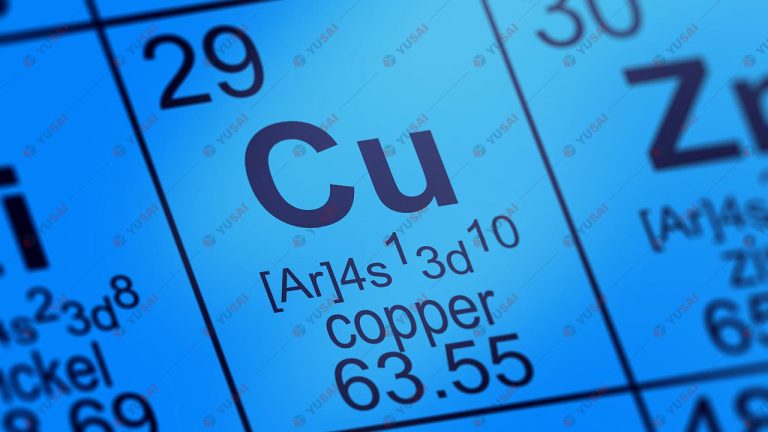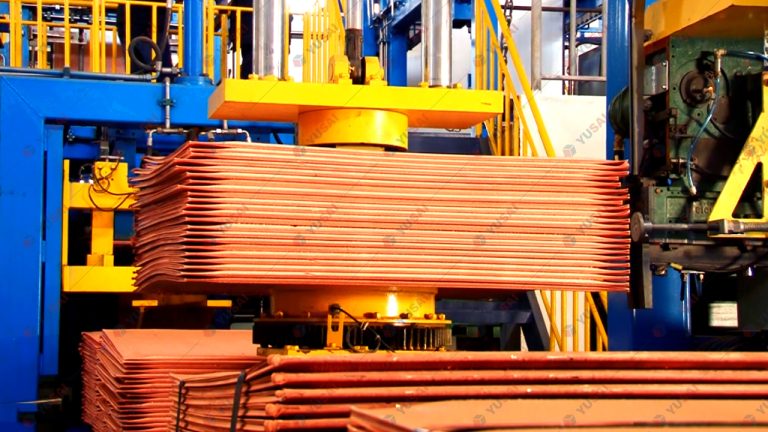
Electrolytic copper is a vital raw material in the chemical industry, widely used in sectors such as electrical engineering, light industry, and machinery manufacturing. This article details the manufacturing process for electrolytic copper, covering steps such as raw material preparation, electrolysis, and product finishing.
I. Raw Material Preparation
Manufacturing electrolytic copper requires raw materials such as copper concentrate, sulfuric acid, and oxygen. Copper concentrate is the primary raw material, typically requiring a copper content of over 20%. Sulfuric acid serves as the electrolyte, while oxygen is used for oxidation reactions. Strict quality inspections are conducted during the preparation stage to ensure the purity and quality of the materials meet production standards.
II. Electrolysis Process
1. Leaching
Copper concentrate is mixed with sulfuric acid to undergo a leaching reaction, producing substances such as copper sulfate and iron ions. Reaction temperature and duration must be controlled to ensure the copper ions are fully leached. Additionally, to mitigate the impact of impurities like iron ions, an appropriate amount of oxidizing agent is added to precipitate and remove them.
2. Purification
The leach solution contains significant amounts of impurity ions—such as iron, zinc, and arsenic—requiring purification. Methods such as ion exchange and solvent extraction are commonly employed to remove these impurities from the solution.
3. Electrolysis
The purified leach solution is fed into an electrolytic cell, where direct current (DC) is applied to initiate electrolysis. At the cathode, copper ions gain electrons and are reduced to metallic copper, which deposits onto the cathode; at the anode, oxygen ions from the sulfuric acid lose electrons to form oxygen gas. Parameters such as current and voltage are carefully controlled during the process to ensure electrolysis efficiency and product quality.
III. Product Finishing
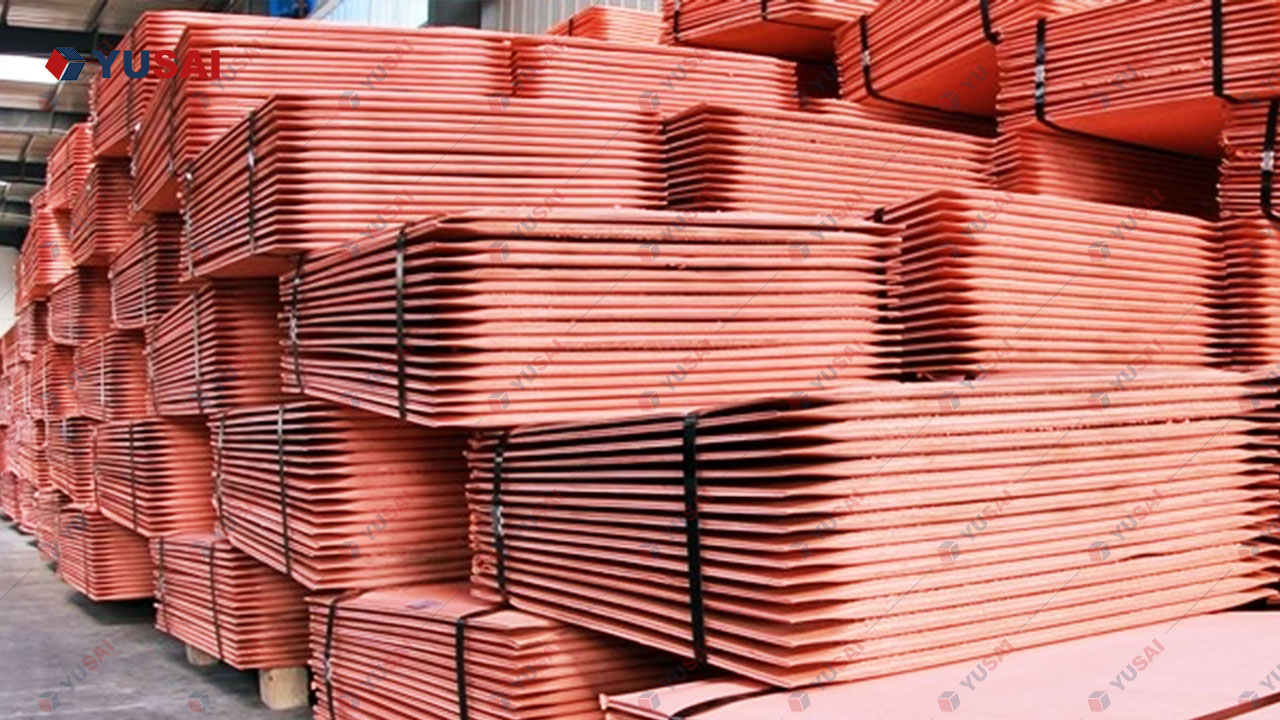
Once electrolysis is complete, the metallic copper deposited on the cathode is stripped off for surface treatment and inspection. Surface treatment typically involves mechanical or chemical polishing to remove surface oxides and impurities. Product inspection covers chemical composition and physical properties to ensure the final product meets required standards. In summary, the production of electrolytic copper involves multiple stages—including raw material preparation, the electrolysis process, and product finishing—each requiring strict control of process parameters and quality metrics to ensure product quality and production efficiency. Furthermore, safety management and environmental protection measures must be strengthened during production to guarantee smooth operations and safeguard the health of employees.