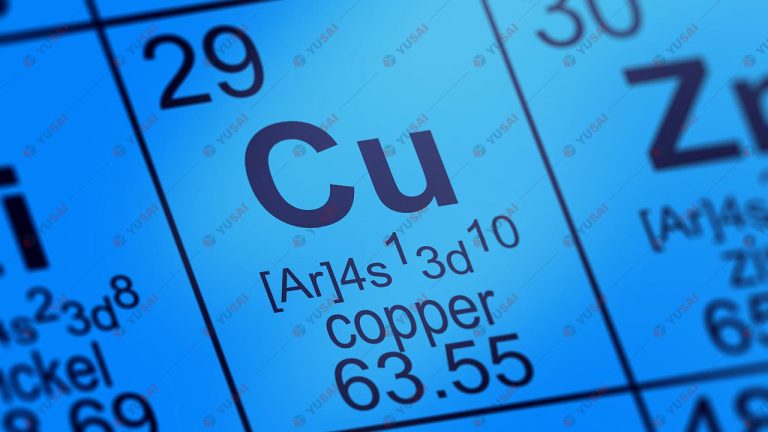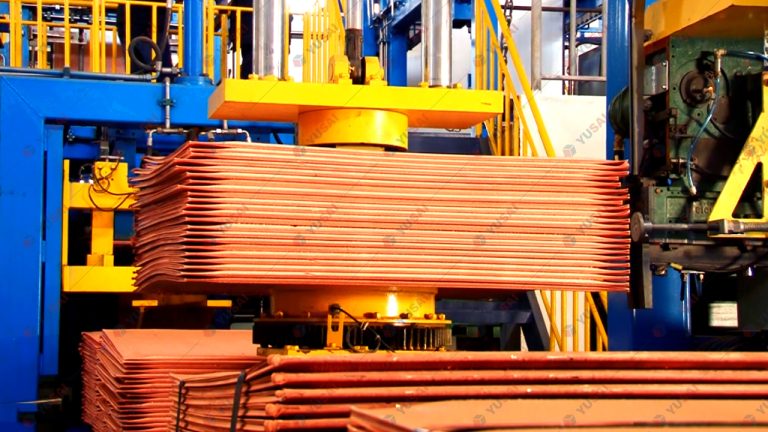
Electrolytic copper plate is a high-purity copper material produced through an electrolytic refining process using copper concentrate or scrap copper as raw material. It is widely used in hardware electronics, electrical engineering, and precision manufacturing. Its core advantages—high electrical conductivity, excellent workability, and stable physical properties—make it an indispensable fundamental material in modern industry.
1. Technical Principles and Core Composition:
The production of electrolytic copper plate relies on electrolytic refining technology: blister copper serves as the anode and a thin sheet of pure copper as the cathode; both are immersed in a copper sulfate electrolyte. Upon the application of direct current, the anode copper gradually dissolves, and copper ions are reduced and deposited at the cathode, forming a high-purity copper plate. The copper content typically exceeds 99.95% (e.g., grades such as CU99.95 and CU99.999), with extremely low impurity levels (≤0.01%), ensuring superior electrical conductivity and corrosion resistance. Depending on the intended application, electrolytic copper plates can be further processed into copper rods or oxygen-free copper to meet diverse requirements.
2. Key Performance Parameters and Practical Characteristics:
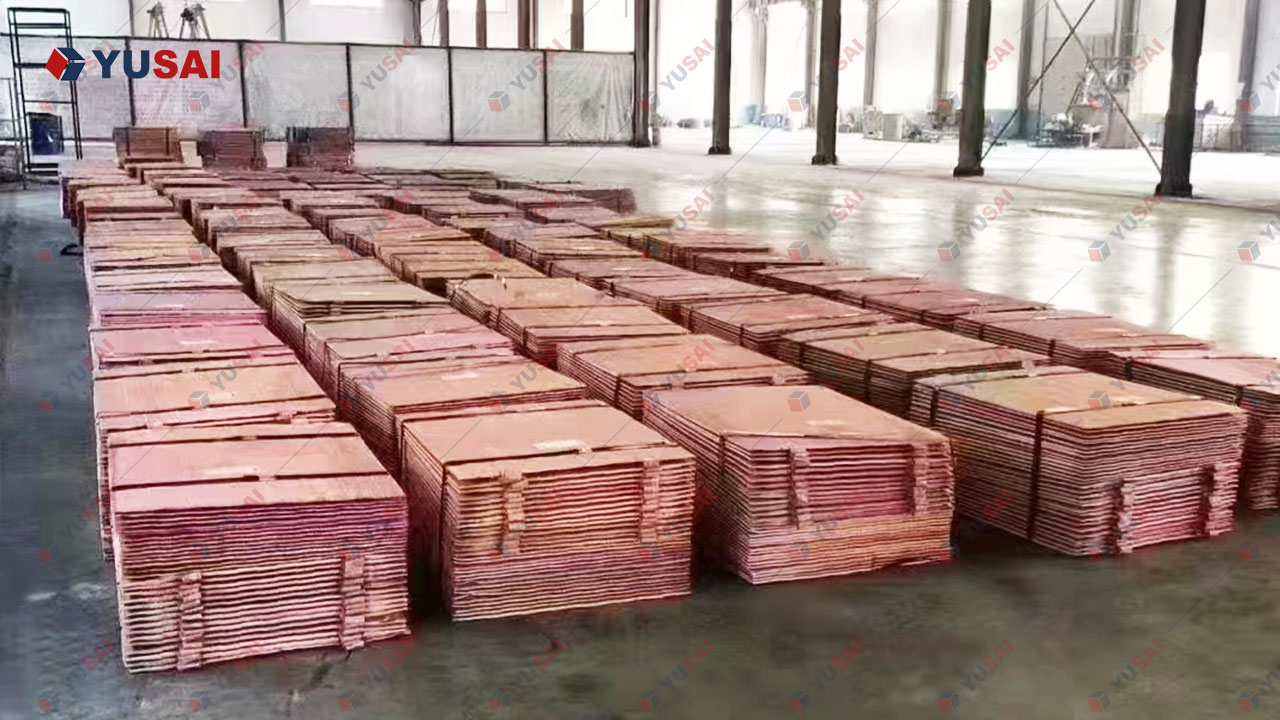
The core performance of electrolytic copper plate is defined by its electrical conductivity, softening temperature, and workability. Its conductivity—typically superior to that of standard copper materials—makes it ideal for high-current transmission scenarios. With a softening temperature of 960°C, it maintains structural stability even in high-temperature environments. Its “half-hard” temper balances strength and ductility, facilitating processing operations such as stamping and drawing. Additionally, the material is packaged in wooden crates to minimize impact damage during transport, ensuring consistent quality.
3. Application Scenarios and Usage:
Electrolytic copper plates primarily serve the hardware electronics industry, where they are used to manufacture precision components such as connectors, terminals, and heat sinks. Their high purity prevents circuit short circuits or signal interference caused by impurities, thereby enhancing product reliability. Users should select the appropriate grade based on specific needs: CU99.999 is suitable for applications requiring extremely high conductivity, while CU99.95 or C1011 offers a better balance between cost and performance. Before processing, it is recommended to consult the material specifications to verify specific parameters and to weigh the material to ensure accurate weight.
4. Quality Assurance and Purchasing Recommendations:
The electrolytic copper plates are of Grade 1 quality, with impurity levels strictly controlled to below 0.01%—a standard that can be verified through chemical composition analysis. Buyers may request samples for testing to confirm that material properties meet the required standards. The plates are packaged in wooden crates suitable for long-distance transport; a material specification sheet is included with the shipment, detailing key data such as copper content and electrical conductivity to facilitate traceability and acceptance inspection. Please note that variations in details such as grain size and hardness may exist between different brands (imported vs. domestic); selection should be based on specific processing requirements.