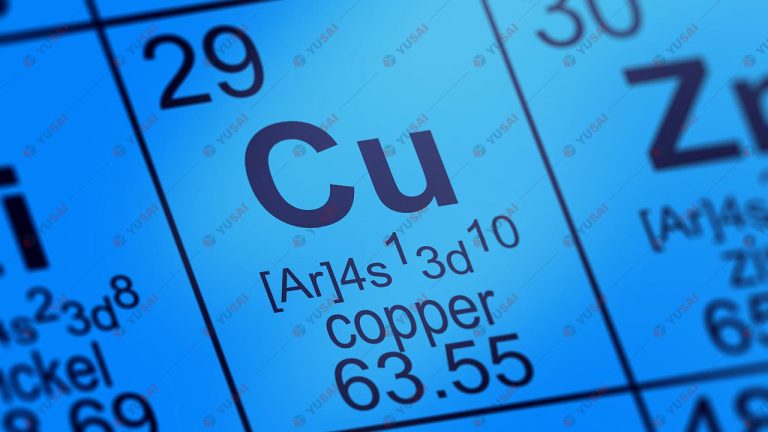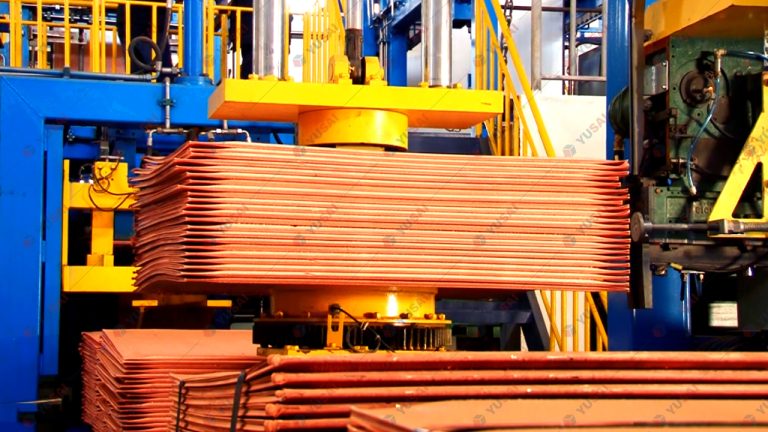
Electrolytic copper plating is a technique that deposits a layer of copper or a copper alloy onto a metal surface using the principles of electrolysis. During the process, the plating metal at the anode oxidizes into cations and enters the electrolyte, while at the cathode, the cations are reduced onto the surface of the workpiece to form the plating layer. The electrolyte must contain specific copper salts to maintain a stable concentration and ensure a uniform, adherent coating; this process is commonly used to enhance the substrate’s corrosion resistance, electrical conductivity, and aesthetic appeal. In this process, pure copper serves as the anode, the workpiece acts as the cathode, and a salt solution containing copper ions serves as the electrolyte; during electrolysis, the amount of copper dissolving at the anode equals the amount depositing at the cathode, keeping the copper ion concentration in the solution stable.
Electrolytes used include acidic alkanesulfonate systems and alkaline cyanide-free systems; the latter utilizes ethylene glycol, sodium hydroxide, and divalent copper compounds to balance high throwing power with deposition efficiency. The process employs a tank-side circulating electrolysis method to continuously recover copper from rinse solutions, reducing the copper ion concentration in the recovery tank to below 0.4 g/L and achieving a recovery rate of 90%–95%, all while maintaining low energy consumption and ensuring emissions meet regulatory standards. This technology has spawned numerous patents—covering plating bath formulation optimization, micro-via filling, non-metallic substrate treatment, and eco-friendly process improvements—thereby expanding its application in fields such as electronics and materials science.
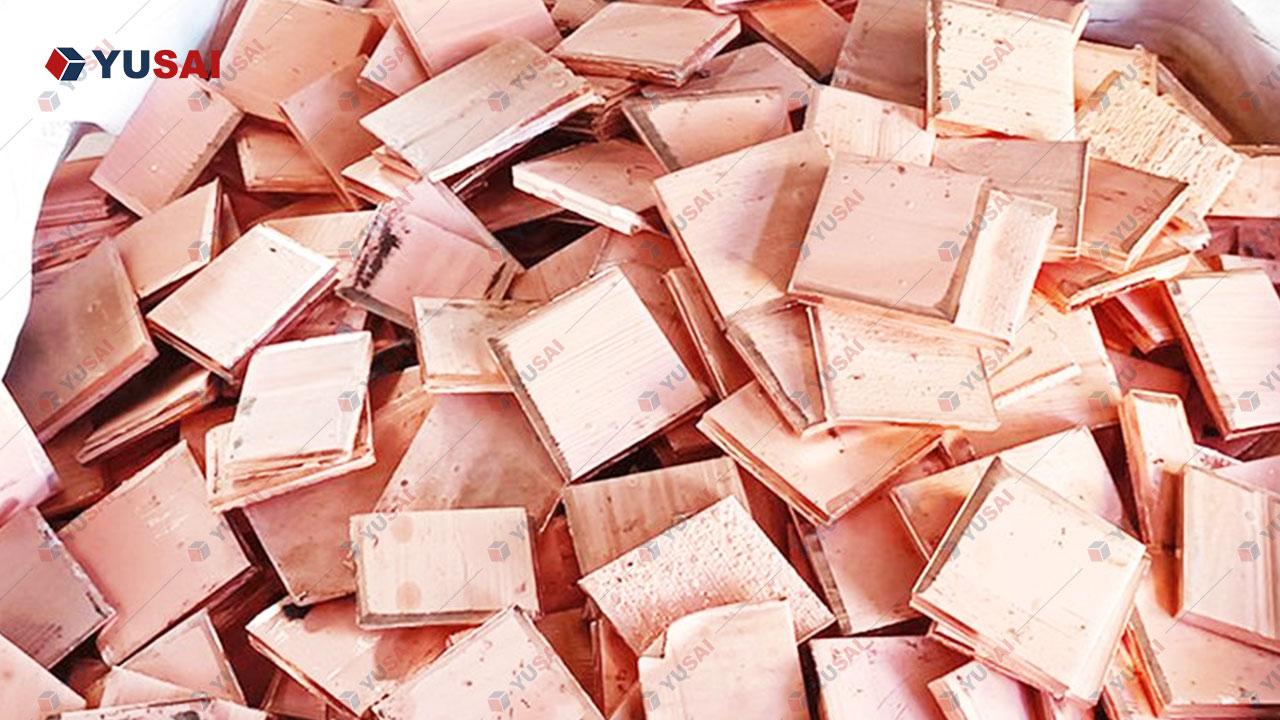
Definition of Electrolytic Copper Plating
Electrolytic copper plating is a process that deposits a layer of copper or copper alloy onto a metal surface using the principles of electrolysis. During plating, pure copper serves as the anode, the workpiece acts as the cathode, and a salt solution containing copper ions serves as the electrolyte. Copper at the anode oxidizes into Cu²⁺ ions and enters the electrolyte, while Cu²⁺ ions at the cathode are reduced to copper and deposited onto the workpiece surface. Maintaining a stable copper ion concentration in the electrolyte is essential to ensure a uniform and adherent coating. Electrolytic copper plating enhances the substrate’s corrosion resistance, electrical conductivity, wear resistance, and aesthetic appeal, making it widely applicable in sectors such as electronics and materials science.
In electrolytic copper plating, pure copper serves as the anode, the workpiece acts as the cathode, and a salt solution containing copper ions (such as copper sulfate solution) serves as the electrolyte. When current is applied, copper at the anode dissolves to form Cu²⁺ ions that enter the solution, while at the cathode, Cu²⁺ ions gain electrons and are reduced to metallic copper, depositing as a coating on the workpiece surface. During electrolysis, the amount of copper dissolved at the anode equals the amount deposited at the cathode, keeping the copper ion concentration in the electrolyte essentially constant.
Electrolyte Introduction
A solution for copper electroplating containing copper alkanesulfonate and free alkanesulfonic acid (with a free acid concentration of approximately 0.05–2.50 M), used for plating metal onto micron-scale trenches, channels, through-holes, and micro-vias.
A novel alkaline, cyanide-free aqueous solution for copper electroplating, containing a divalent copper compound, a caustic alkali, and the organic compound ethylene glycol. This electrolyte offers excellent throwing power (distribution capability) alongside high cathodic current efficiency and deposition rates.
It is characterized by a composition containing 200–1000 g/L of ethylene glycol, 40–200 g/L of sodium hydroxide, and 15.1–19.9 g/L of divalent copper (calculated as metal).
Process Introduction
Electrolytic recovery is a classic method for directly reclaiming metallic copper; however, there are few domestic reports regarding recovery via electrolysis from dilute solutions. We developed an electrolytic unit featuring forced circulation and a small inter-electrode gap to directly recover copper from an acidic copper plating recovery tank, achieving satisfactory results.
In the side-tank circulating electrolysis recovery process, plated parts exiting the plating tank are first immersed and rinsed in a recovery tank. As production proceeds, the copper content in the recovery tank rises, leading to an increase in the amount of copper carried over from the recovery tank into the subsequent rinse tank. To address this, an electrolytic cell is positioned next to the recovery tank; the immersion/rinse solution is continuously circulated through the cell to recover copper via electrolysis. This electrolytic process not only allows for the direct recovery of metallic copper but also maintains the copper ion concentration in the recovery tank at a low level (0.4 g/L), resulting in significant savings in rinse water consumption. Using this process, the copper recovery rate ranges from 90% to 95% of the copper carried out by the plated parts, with a copper purity exceeding 95% and a current efficiency of 65%. The total power consumption for recovering 1 kg of copper is less than 15 kWh—far lower than the value of the recovered copper—resulting in significant economic benefits; furthermore, the discharged water meets national emission standards. Characterized by simple equipment, a small footprint, low investment costs, and low energy consumption, this represents a novel process for treating electroplating wastewater.