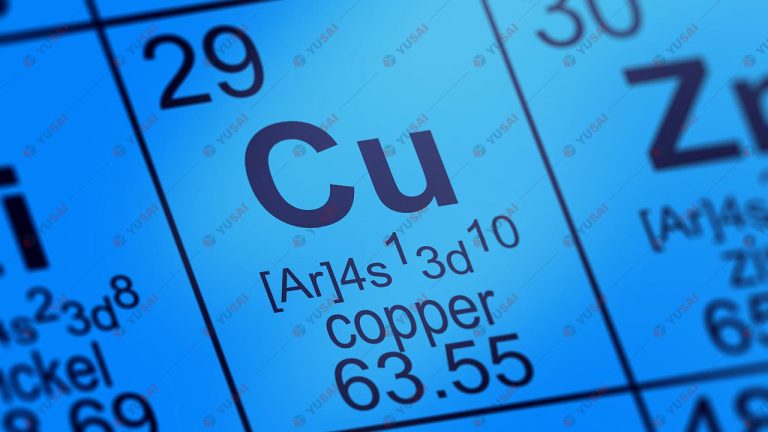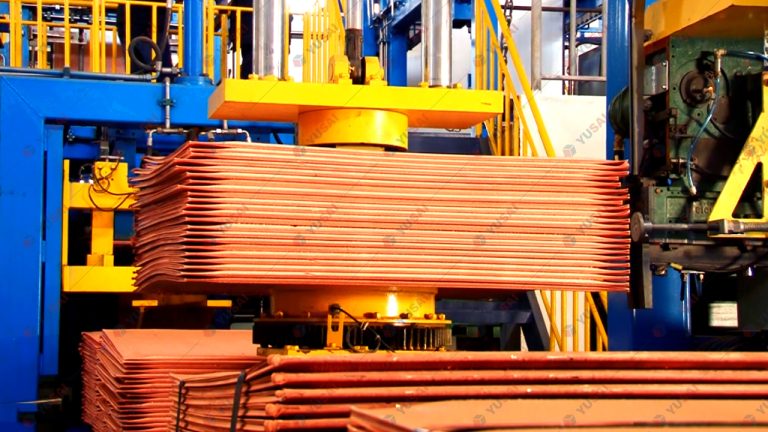
Electrolytic copper is a high-purity elemental copper extracted from copper ore via electrolytic refining. With a purity level exceeding 99.98%, it is widely used in sectors demanding rigorous material performance. Its core characteristics include excellent electrical and thermal conductivity, good ductility, and high tensile strength; combined with extremely low impurity levels and stable physical properties, it has become an indispensable base metal in modern industry.
1. Preparation Principles and Core Characteristics
The production of electrolytic copper utilizes blister copper (obtained via pyrometallurgy) as the raw material. Through the application of direct current within an electrolytic cell containing an acidic copper sulfate solution, copper ions undergo directional migration. The blister copper anode gradually dissolves while pure copper deposits at the cathode; impurities settle at the bottom of the cell to form anode slime. This process effectively removes impurities such as lead, zinc, and nickel, ultimately yielding “No. 1 Copper” (per national standards) with a purity exceeding 99.96%. Its physical properties include a melting point of 1083.5°C and a boiling point of 2595°C; it exhibits superior electrical conductivity (surpassing silver), excellent ductility (allowing it to be drawn into fine wires), and tensile strength superior to standard copper materials, all while displaying a characteristic reddish-purple metallic luster.
2. Key Technical Parameters and Processing Suitability
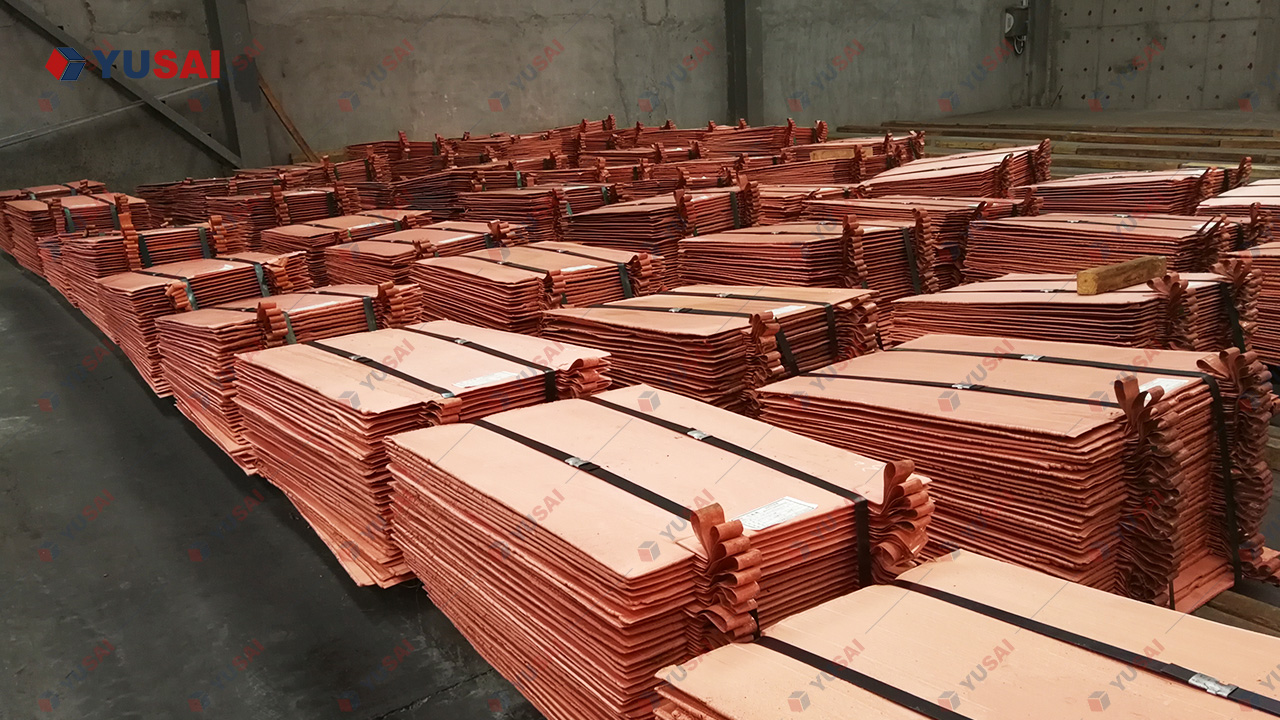
Electrolytic copper specifications can be customized to meet specific needs, with particle sizes adjustable to the micron level, dimensions to the millimeter level, and weights tailored to requirements. Its high softening temperature—stemming from a melting point significantly higher than that of common metals—ensures structural stability even in high-temperature environments. The product complies with national standards and features extremely low impurity levels, guaranteeing reliability during precision machining. Packaging options include ton bags or iron drums, and nationwide dedicated transport routes are used to ensure logistics safety.
3. Application Scenarios and Industry Value
Its exceptional electrical conductivity makes electrolytic copper a core material in power transmission, widely used for manufacturing wires, cables, and transformer windings; meanwhile, its thermal conductivity supports the development of products such as heat sinks for electronic components and heat exchangers. In the field of mechanical manufacturing, electrolytic copper is processed into high-precision components such as powder metallurgy parts and diamond saw blade cores; in the construction industry, its corrosion resistance makes it an ideal choice for applications involving long-term exposure, such as roofing and piping. In the defense industry, the high strength and ductility of electrolytic copper are utilized to manufacture critical components like ammunition casings and conductive connectors. Additionally, the production of electro-carbon products (such as brushes and electrodes) relies on its stable physicochemical properties.
4. Material Selection and Usage Precautions
When selecting electrolytic copper, attention must be paid to purity specifications (National Standard Grade 1 copper content ≥99.96%), as impurity levels directly affect electrical conductivity and processing performance. During processing, particle size and specifications must be adjusted according to the target product; for instance, powder metallurgy requires micron-scale particle sizes, whereas sheet metal processing focuses on thickness tolerances. Storage should avoid contact with strong oxidizing agents, and mechanical damage must be prevented during transport. Although electrolytic copper is not classified as a hazardous chemical, large-scale handling requires adherence to industrial safety protocols, including the use of protective equipment to prevent dust inhalation or skin contact.