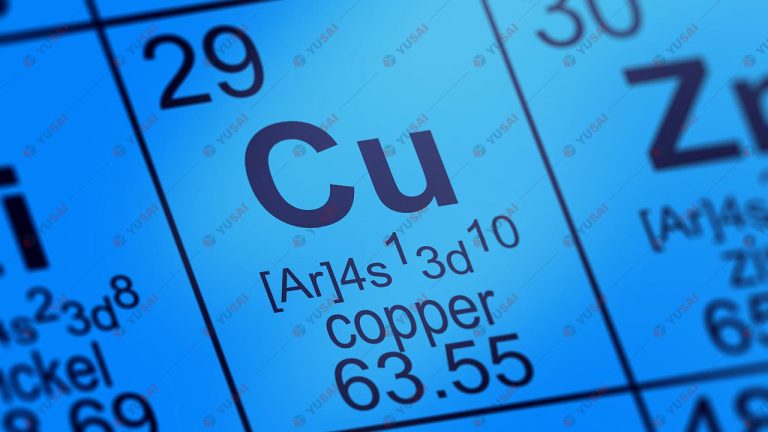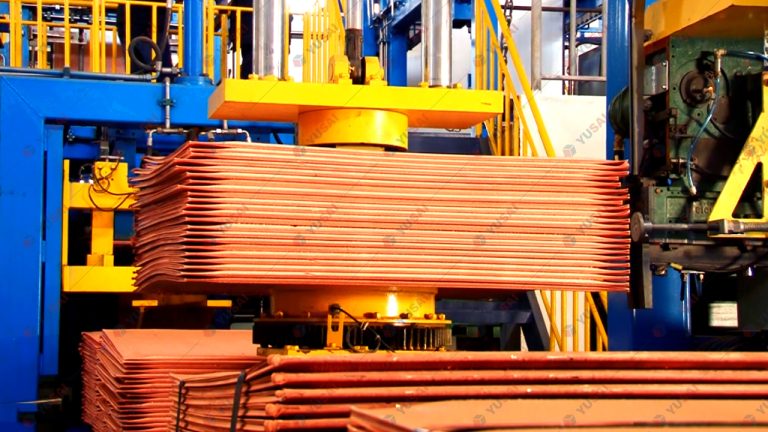
We are a professional manufacturer of precious metal recovery equipment, offering complete sets of machinery and technical support for gold deplating, silver and copper extraction from waste printed circuit boards, IC chips, connectors and electronic scraps. Our equipment helps recyclers efficiently recover high-purity gold, silver and copper from e-waste with stable recovery rate and easy operation.
Raw Material Introduction
Gold-plated plastic slots, connectors, CPU sockets, Northbridge & Southbridge chips, integrated circuits, ceramic capacitors, monolithic capacitors, chip resistors, tantalum capacitors, triodes and other electronic components all contain recoverable gold, silver and copper.
Full Process Workflow
Step 1: Separate PCB from Electronic Components
Two optional pretreatment methods to remove solder tin and separate components from circuit boards:
- Heating plate method: Place a 5mm thick steel plate over furnace, heat to 250°C. Put waste PCB on the hot plate. Solder melts, then knock the backside of PCB with pliers, tin and electronic components fall off.
- Thermal oil bath method: Fill iron vessel with 400# high-temperature heat transfer oil, heat to 220°C (measured by thermometer). Place PCBs vertically in stainless steel basket and immerse basket into hot oil. Solder tin melts and sinks to vessel bottom, components stay inside the basket. Take out the basket, wash components with detergent or caustic soda solution, then sort different components.
Step 2: Deplate Gold & Copper from Plastic Connectors and Slots
Prepare solution: 25% nitric acid + 75% water, add 3.5% copper complexing agent. Add complexing agent first, dissolve fully in water, then add nitric acid. Put plastic gold-plated connectors into plastic tank; liquid level shall cover materials by 3cm. Seal the tank. Copper dissolves completely while gold foil remains undissolved. Soak for 10 hours. Take out plastic parts, rinse thoroughly. Filter the solution to collect gold flakes.
Step 3: Crush Gold-Bearing Components & Leach Base Metals
Crush Northbridge, Southbridge, IC chips, chip capacitors and resistors into 100 mesh with crushing machine; cut green PCB substrates into small pieces. Prepare leaching liquid: 25% nitric acid +75% water plus 3.5% complexing agent, solid-liquid ratio 1:3. Dissolve complexing agent in water first, then add nitric acid and pour into crushed material. Stir well and seal container. Let natural reaction run for 30 min. Stir and heat to gentle boiling for 4–6 cycles within 2–3 hours. Cool down to 30°C then filter. Filtrate contains silver and copper for later collection; filter residue holds gold.
Step 4: Gold Leaching & Gold Reduction (Two Optional Routes)
Combine gold-bearing filter residues from Step2 and Step3. Prepare aqua regia at nitric acid : hydrochloric acid =1:3. Let aqua regia pre-react for 30 min. Heat and stir, keep gentle boiling for 4–6 cycles within 2–3 hours. Cool to 30°C and filter. Discard clean filter cake; gold is dissolved in aqua regia solution.
Option A: Sodium Bisulfite Reduction (No Nitric Acid Removal Needed) Dilute gold solution with 2–3 times water, or adjust pH to 1.5–2 using 20% NaOH solution at 20°C. Add sodium bisulfite slowly (30g per liter solution, added in 3 batches) under stirring until liquid turns black. Keep stirring for 10 min. Add diluted polyacrylamide solution for flocculation, stir for 3 min. Let precipitate settle for 1 hour. Filter and wash gold precipitate 3 times until pH reaches neutral (pH=7). Treat black gold particles with 40% nitric acid +60% water under gentle boiling, rinse clean. Melt refined gold powder with torch to obtain gold bullion with purity ≥99.9%.
Option B: Gold Refining Powder Reduction Heat gold-bearing aqua regia to gentle boiling, evaporate to thick state until yellow fume releases. Drop hydrochloric acid in 5–6 batches until white smoke appears (nitric acid removal). Dilute thick material with double volume of clean water (use 20% HCl if caking occurs). Add gold refining powder slowly while stirring, until dark brown gold precipitate forms (refining powder dosage equals gold weight). Let settle for 20 min and filter. Wash precipitate twice, add 30% diluted hydrochloric acid to cover gold powder and heat to gentle boiling, rinse twice with water. Dry gold granules, then smelt with torch to get gold of 99.9% purity.
Step5: Silver Leaching from Silver-Bearing Electronic Components
Crush monolithic capacitors, ceramic capacitors, chip resistors, buzzers, tantalum capacitors, transistors to 10 mesh. Prepare 25% nitric acid +75% water. Let solution pre-react 30 min, heat to gentle boiling for 1 hour, stir every 15 minutes. Cool and filter. Filtrate contains silver and copper.
Step6: Silver Precipitation & Reduction
Mix filtrates from Step3 and Step5, keep temperature at 20°C. Drop saturated sodium chloride solution with continuous stirring. White silver chloride precipitate forms. Stop adding NaCl once precipitation completes (overdose will affect silver recovery). Wash silver chloride precipitate 3 times to fully remove nitrate ions. Activate iron wire with dilute hydrochloric acid, immerse iron wire into silver chloride, add 40% diluted hydrochloric acid to cover solids. Heat and stir under gentle boiling; silver chloride converts into dark grey metallic silver particles. Remove iron wire, wash silver particles, filter and dry. Smelt silver powder by torch, get silver ingot with purity ≥99.5%. Custom replacement reducing solution available for higher efficiency instead of iron wire.
Step7: Copper Powder Recovery
Take silver-free waste liquid, adjust pH value to 2–3. Add iron sheets or iron scraps and stir. Reddish-brown copper powder precipitates out for collection.
Our Equipment Advantages
✅ Full set integrated gold deplating, crushing, leaching, filtering, reduction and smelting equipment
✅ Customizable tank volume, production capacity for small & medium recycling plants
✅ Mature technical formula & on-site operation training available
✅ High metal recovery rate, final gold purity up to 99.9%, silver purity up to 99.5%
✅ One-stop service: equipment manufacturing, process guidance, after-sales support
✅ Suitable for PCB scraps, CPU, connectors, all gold-plated electronic waste recycling
Application Scope
Waste printed circuit boards, motherboards, CPU, gold-plated connectors, IC chips, ceramic capacitors, tantalum capacitors and various e-scrap materials.
Contact us to get equipment quotation and full technical proposal for your e-waste precious metal recycling project.