Abstract: The manufacturing and end‑of‑life disposal of printed circuit boards (PCBs) generate massive copper‑bearing waste streams including electroplating spent liquor, etching waste solutions and discarded PCB scraps. Efficient copper recovery delivers considerable economic returns while complying with tightening global environmental regulations. Three mainstream technical routes dominate industrial practice: electrolytic recovery, chemical precipitation and physical separation. Each technology shows unique performance in recovery rate, capital expenditure, operating cost and environmental footprint, requiring case‑by‑case selection for different production scenarios. Driven by circular‑economy demands, modern PCB recycling is evolving toward closed‑loop circulation, low‑energy consumption and intelligent automation, especially among major PCB manufacturing hubs across Asia‑Pacific regions.
1. Electrolytic Recovery: Dominant Solution for Spent Plating & Etching Liquors
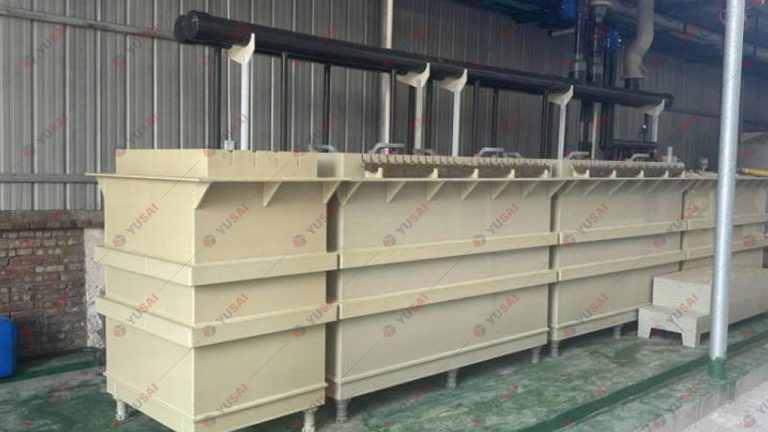
Electrolytic recovery (electrowinning) is widely adopted by large‑scale PCB factories for treating copper‑rich liquid waste. Under direct‑current power supply, dissolved cupric ions are reduced into metallic copper at cathodes, meanwhile anodic oxidation regenerates process liquor for reuse. This process directly produces electrolytic copper plates with purity up to 99.95 %, and treated solution can circulate within production lines.
A typical electrolytic system consists of electrolytic cells, DC power supply, circulation‑filtration modules and automatic control units. Diaphragm‑equipped cells physically separate cathode and anode compartments to prevent re‑oxidation of deposited copper. Standard operating parameters cover current density of 2‑3 A/dm² and working temperature between 25‑35 °C. Advanced commercial electrolytic units achieve copper recovery above 98 %, with power consumption of 600‑800 kWh per ton of treated waste liquor.
For spent copper nitrate plating baths, optimal operational windows require Cu²⁺ concentration maintained at 30‑50 g/L and nitric‑acid concentration of 6‑8 N. Insufficient copper concentration reduces current efficiency; excessive nitric acid triggers undesirable hydrogen‑evolution side‑reactions. Online monitoring platforms continuously tune process parameters to sustain stable performance.
Even so, conventional electrolysis faces practical bottlenecks: dendritic copper crystals emerge at high‑concentration feeding and degrade cathode‑copper quality; hazardous anodic off‑gas such as chlorine must be properly contained. New‑generation improvements including pulse electrolysis and three‑dimensional electrodes mitigate product defects and improve workplace safety.
2. Chemical Precipitation: Cost‑Competitive Treatment for Low‑Concentration Copper Wastewater
Chemical precipitation suits small‑and‑medium PCB manufacturers for low‑concentration copper‑containing wastewater. By dosing precipitant reagents, soluble copper ions transform into insoluble solid sediments for separation. Low initial‑equipment investment and simple workflow constitute its core strengths. Three typical precipitation approaches are applied in industry: sodium‑hydroxide precipitation, sodium‑sulfide precipitation and novel organic precipitant treatment.
- Sodium‑hydroxide precipitation: The most basic process. Adjust pH value to 9‑10 to generate copper‑hydroxide precipitates. Nevertheless, filter cake moisture can reach 80 % with low copper grade, and large volumes of saline wastewater are yielded. Roughly 15‑20 kg NaOH is consumed for processing one‑ton waste liquor (50 g/L copper), generating 0.8‑1.2 tons wastewater.
- Sodium‑sulfide precipitation: Leverages extremely low solubility‑product constant of copper sulfide. Copper can precipitate even under acidic conditions, delivering recovery rate higher than 99.5 % and sediment copper content over 50 %. Strict metering control is mandatory to prevent toxic hydrogen‑sulfide escape.
- Novel organic precipitants: Selectively capture copper ions; precipitates feature good dewatering performance. Certain composite formulations simultaneously remove heavy metals and degrade COD. Recommended reagent dosage ranges 1.2‑1.5 times copper molar quantity, with reaction duration of 30‑60 minutes.
表格
| Process | Copper Recovery | Cu Content in Sediment | Reagent Cost (USD/ton feed) | Wastewater Output |
|---|---|---|---|---|
| Sodium Hydroxide | 95‑98 % | 15‑20 % | 11‑17 | High volume |
| Sodium Sulfide | 99‑99.5 % | 45‑55 % | 21‑28 | Moderate |
| Organic Precipitant | 98‑99 % | 35‑45 % | 42‑56 | Low volume |
One major limitation of chemical precipitation: metallic copper cannot be directly obtained. Copper‑rich sludge requires downstream smelting and refining. High reagent consumption adds recurring operating expense. It is commonly deployed as pre‑treatment or combined with other recycling workflows.
3. Physical Recycling for Discarded Solid PCB Scraps
Waste PCBs contain composite mixtures of copper, plastic resin, glass fibre and multiple other metals. Physical‑based recycling targets solid board scraps and off‑cuts. Major technical pathways cover mechanical crushing‑sorting, pyrolysis and integrated hydrometallurgy (leaching‑solvent‑extraction‑electrowinning).
3.1 Mechanical Crushing & Separation
Most widely‑used physical route. Process sequence: coarse crushing → medium crushing → fine grinding → multi‑stage separation. Shear crushers and hammer mills reduce feedstock to particle size of 0.5‑2 mm. Combined gravity separation, electrostatic separation and eddy‑current sorting separate metallic fractions from non‑metallic components. Optimized industrial installations produce metal powder with copper grade above 85 %, and copper recovery surpasses 95 %.
3.2 Pyrolysis
Organic resin components thermally decompose under oxygen‑deficient atmosphere to concentrate metallic fractions. Operating temperature controlled at 450‑550 °C achieves organic decomposition ratio >90 % and metal loss below 3 %. Drawbacks include high capital investment and mandatory sophisticated exhaust‑gas abatement facilities.
3.3 Hydrometallurgical Leaching‑Extraction‑Electrowinning
Suited for high‑value PCB scraps containing gold, silver and palladium besides copper. Targeted lixiviants realize copper leaching efficiency >98 %; subsequent electrowinning yields copper cathode at 99.9 % purity. This integrated workflow enables multi‑precious‑metal co‑recovery yet suffers long process chains and substantial chemical consumption. It is economically viable only for high‑noble‑metal‑grade raw materials.
Physical recycling exhibits prominent scale‑economy characteristics. Annual throughput above 3 000 tons brings unit processing cost down to 110‑165 USD per ton. Therefore, specialized centralized recycling enterprises dominate waste‑PCB material handling services.
4. Industry Trends & Future Outlook
Global PCB copper‑recovery technology keeps advancing toward higher efficiency, cleaner operation and smart digital control. Beyond maximizing copper recovery yield, modern systems prioritize closed‑loop material circulation and environmental‑impact mitigation, pushed by stricter waste‑management legislation and corporate cost‑reduction incentives.
Closed‑loop regeneration systems represent key upgrading direction. Fifth‑generation etching‑liquid regeneration equipment pursues “Five‑Zero” targets: zero extra chemical‑reagent cost, zero etching‑efficiency decay, zero finished‑product quality degradation, zero liquid‑waste discharge and zero off‑site hazardous‑waste shipment. Integrating electrolytic copper extraction, chlorine‑gas recycling and automatic chemical dosing, such closed‑loop solutions cut comprehensive etching‑process cost by over 30 % and eliminate waste‑liquid outsourcing risks.
Intelligent monitoring greatly improves process stability. Modern recycling equipment installs real‑time sensors tracking copper‑ion concentration, pH value and redox potential; algorithm‑driven auto‑adjustment optimizes running conditions. Field cases demonstrate that intelligent retrofitting lifts current efficiency by 15‑20 % and lowers energy consumption by 10‑15 %, compared against manual‑control legacy setups.
Looking ahead, PCB‑recycling technology will further align with circular‑economy concepts. Integrated multi‑metal recovery workflows and refined waste‑classification collection systems will realize precise resource reclaiming for varied‑grade PCB wastes. Copper recycling evolves from mere environmental‑compliance obligation toward new profit‑driving business segment within the global PCB supply chain.
From practical‑project perspective, three core dimensions should be weighed during technology selection: technical feasibility, economic rationality and environmental compliance. Large‑scale PCB manufacturers are recommended to deploy self‑built advanced electrolytic recycling stations. Small‑and‑medium‑size factories can outsource waste treatment to professional third‑party recyclers. Discarded solid PCBs fit best with centralized physical‑recycling plants. Appropriate process selection brings win‑win outcomes balancing environmental protection and commercial profitability.