Introduction
During the preparation of copper crystals via electrodeposition, passivation is a common technical challenge that compromises crystal quality, uniformity and production yield. This article explains the root causes of copper passivation and presents practical, proven methods to prevent or reverse this issue for stable copper crystal manufacturing.
What Causes Passivation in Copper Crystal Preparation
Metal passivation refers to a state where the chemical activity of metal is significantly reduced. In copper crystal electrodeposition, passivation mainly arises from oxidizing agents contained in the electrolyte or anodic polarization. These conditions trigger the formation of a dense oxide film on the copper surface.
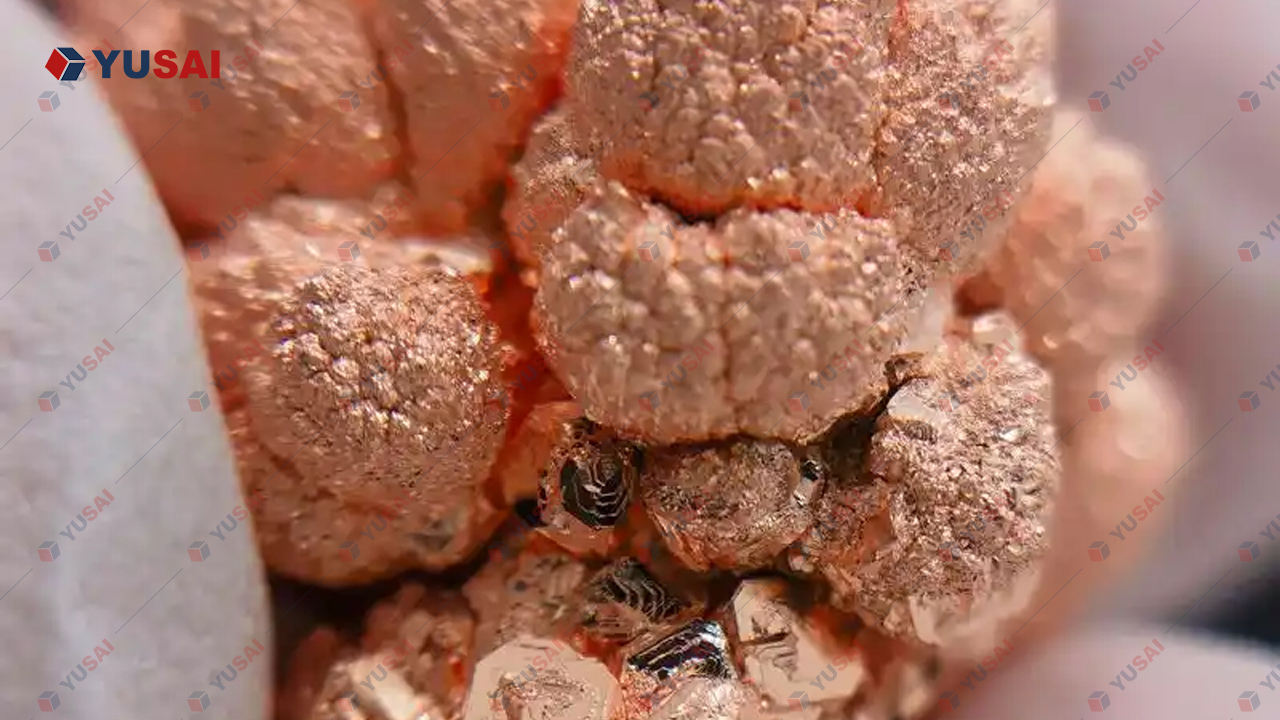
This compact oxide layer blocks the continuous reduction and deposition of copper ions. Once passivation occurs, copper crystal growth will be interrupted, resulting in defective crystal morphology, inconsistent grain size and reduced product purity.
Practical Methods to Prevent Copper Passivation
1. Regulate Electrolyte Composition and Concentration
Avoid electrolytes with high concentrations of strong oxidants to reduce the risk of oxide film generation. Targeted passivation inhibitors, including selected organic compounds or inorganic salts, can be dosed into the electrolyte. These additives adsorb on the copper surface and form a protective barrier, isolating the copper substrate from oxidizing species and suppressing the formation of passive oxide layers. Proper maintenance of ion concentration and bath chemistry keeps copper ions available for uniform crystal deposition.
2. Optimize Electrolysis Process Parameters
Adjust key operational parameters such as current density, electrolyte temperature and stirring speed to control copper ion migration and reduction kinetics. Reasonable parameter tuning balances the nucleation rate and grain growth rate of copper crystals. Low current density is widely adopted to lower cathode overpotential, which minimizes the tendency of passivation and delivers well-structured copper crystals. Adequate stirring reduces concentration polarization at the electrode surface and further stabilizes deposition.
3. Surface Pre-Treatment and Passivation Reversal
Pre-treatment steps such as polishing and cleaning are applied on copper substrates before electrodeposition. These procedures remove residual grease and native oxide layers, eliminating potential initiation points for passivation. If passive films have already formed on copper surfaces, chemical or electrochemical reversal treatment can be implemented. Reducing agents reduce the oxide film back into metallic copper and restore the electrochemical activity of the copper surface.
Conclusion
Passivation is a major obstacle to high-quality copper crystal production. By understanding its oxide-film formation mechanism, manufacturers can control electrolyte formulation, fine-tune electrolysis parameters and carry out proper surface pre-treatment. These solutions effectively prevent passivation, stabilize copper crystal growth, improve product consistency and cut production losses. Our technical support team can provide customized process guidance for your copper electrodeposition line.