Precious metals are indispensable core raw materials for high-end electronics, chemical, aerospace and new energy industries. Primary mineral resources are scarce. Electrolytic recovery of precious metals from various industrial wastes carries high economic value and environmental benefits. This article introduces the full process of precious metal electrolytic recovery, including raw material pretreatment, leaching & enrichment, solution purification, electrolytic refining and post-processing of finished products. Specialized recovery equipment supports efficient extraction of gold, silver, palladium, platinum and other precious metals.
1. Raw Material Preparation
Raw materials for precious metal electrolytic recovery are mainly industrial solid waste and waste liquid containing precious metals. Common raw materials are listed below:
- Electronic waste: Waste PCB circuit boards, IC chips, gold-plated components, gold fingers, silver-plated terminals and electronic dismantling materials, the major source of gold, silver and palladium.
- Spent catalysts: Automobile three-way catalysts and spent petrochemical catalysts rich in platinum, palladium and rhodium and other platinum-group metals.
- Electrochemical waste: Waste gold plating / silver plating / palladium plating solutions, stripping solutions and electroplating sludge.
- Other materials: Jewelry scraps, precious metal alloys, anode slime, waste photographic film, etc.
Auxiliary materials include various leaching reagents, electrolyte regulators, oxidants and neutralizing agents. After incoming inspection, raw materials go through sorting, crushing and screening to remove non-metallic impurities such as plastic, rubber and sand. Sampling analysis is carried out to test precious metal grade and evaluate material quality, providing data support for subsequent leaching operations. The effect of raw material pretreatment directly affects the leaching rate and stable operation of the whole set of recovery equipment.
2. Core Process of Electrolytic Recovery
2.1 Leaching & Enrichment
Crushed and sorted precious metal-bearing materials are mixed with leaching reagents for slurry mixing inside the leaching reactor. Selective leaching reactions convert solid precious metals into soluble precious metal ions dissolved into the solution. Reaction temperature, retention time and reagent concentration are strictly controlled to ensure full dissolution of precious metals. Reagent adjustment suppresses excessive co-dissolution of base metals such as iron, copper and nickel. After leaching, solid-liquid separation is performed to obtain precious metal-rich leachate, while solid residues are disposed of in an environmentally sound manner.
2.2 Solution Purification
The raw leachate contains impurity ions including iron, copper, zinc, nickel and lead. Excessive impurities will seriously reduce the purity of electrolytic products. The precious metal-rich leachate is purified to remove base metal impurities by solvent extraction, ion exchange, sulfide precipitation and other technologies to obtain low-impurity precious metal enriched solution. Purification is critical to produce high-purity precious metals. It reduces impurity accumulation in electrolytic cells and extends the service life of electrolytic equipment.
2.3 Electrolytic Refining
The purified precious metal enriched solution is fed into a dedicated electrolytic recovery unit. Direct current is applied for electrodeposition and purification. On the cathode, precious metal ions in the solution gain electrons and are reduced into pure precious metal elemental deposits. Corresponding oxidation reactions take place on the anode to separate precious metals from impurities.
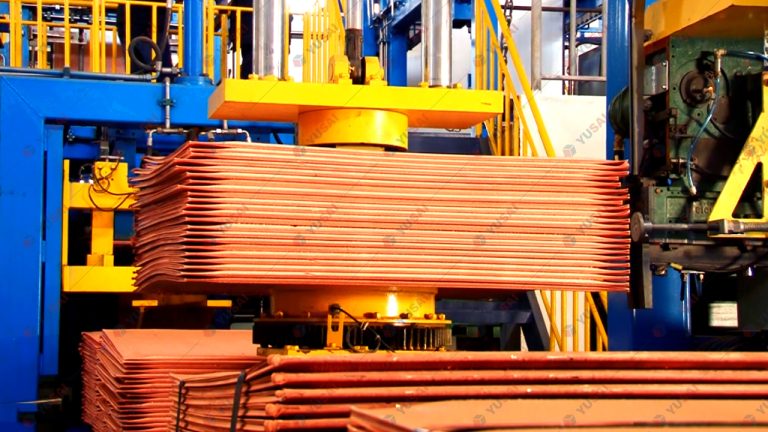
The complete equipment precisely controls current density, voltage, electrolyte temperature and circulation flow rate for selective recovery of gold, silver, palladium and other precious metals. Titanium cathodes, stainless steel cathodes and other matched plates can be selected according to different feed materials. The purity of electrolytically produced precious metals can reach up to 99.99%.
3. Finished Product Treatment
After electrolysis, deposited precious metals are stripped and collected from cathode plates to obtain precious metal powder or sheets. Multiple water washing and neutralization are applied to remove residual electrolyte on surfaces, followed by drying, smelting and ingot casting to get finished precious metal ingots.
Finished products are tested and analyzed. Spectrometry equipment is used to detect chemical composition and purity indicators to verify compliance with industry standards. The produced precious metal ingots can be reused in electronics, chemical and other industries.
4. Process Matching, Safety and Environmental Protection
The whole precious metal electrolytic recovery process relies on coordinated operation of crushing equipment, leaching reactors, solid-liquid separation devices, solution purification systems, electrolytic recovery units, electric rectification control systems, tail gas and wastewater treatment equipment.
Precious metal recovery involves corrosive chemicals and electrochemical operations. Closed protection, tail gas collection and closed-loop waste liquid circulation must be implemented during production. Supporting environmental protection systems realize reagent recycling, wastewater discharge up to standards and reduced hazardous waste output, balancing recovery rate, operational safety and environmental compliance.
In summary, the precious metal electrolytic recovery process covers raw material pretreatment, leaching & enrichment, solution purification, electrolytic refining and finished product handling. Strict control of process parameters in each procedure, together with professional recovery equipment, achieves high recovery rate and high-purity extraction of precious metals. With the rapid development of solid waste recycling industry, precious metal electrolytic recovery equipment is widely applied in recycling of electronic scrap, spent catalysts and electroplating waste liquid.