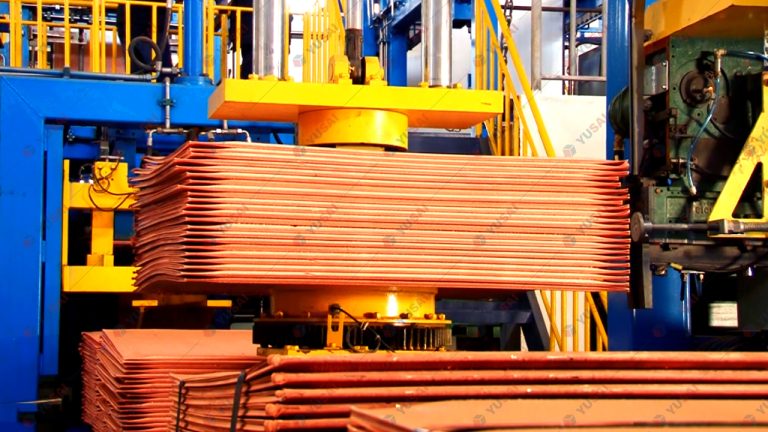
We should foster the global concept of “urban mining” and promote eco-friendly recycling of consumer electronics to accelerate global copper resource recovery.
Copper is a vital strategic industrial metal. High-grade virgin copper ore reserves are declining globally. New mines require massive investment and long lead times, and supply is vulnerable to geopolitics, environmental rules and extreme weather. Major copper deposits concentrate in South America, making the global supply chain fragile.
Driven by global carbon neutrality, photovoltaic, wind power, energy storage, EV and grid upgrade sectors keep lifting copper demand. Existing mine capacity struggles to keep up, and copper prices remain highly volatile. Alternatives such as copper-clad aluminium have been explored, yet copper’s superior conductivity and corrosion resistance cannot be widely replaced. Copper can be recycled infinitely without quality degradation. Recycled copper performs identically to primary copper. Copper components in cables, buildings and vehicles hold decades of service life, forming massive “urban mines” embedded in cities.
Global copper consumption patterns differ greatly. China is the world’s largest copper consumer. Europe and North America have accumulated large copper stocks and are major scrap copper suppliers. Emerging economies face virgin ore shortages. Virgin copper smelting consumes huge energy and emits large amounts of carbon. By contrast, recycled copper production cuts energy use and carbon emissions sharply, becoming a strategic resource for securing global metal supply chains.
Europe and North America have mature recycling legislation and collection systems. The US and Canada produce abundant high-quality scrap copper and gradually tighten export controls to prioritize domestic recycling. Asia has become the world’s recycled copper processing hub. Cross-border scrap copper trade is reshaping: the EU restricts waste exports; many countries raise environmental import standards. Competition for clean, high-grade scrap copper continues to intensify.
Nevertheless, the global scrap copper industry still faces bottlenecks. Many regions have fragmented recycling systems. Small operators use outdated equipment, leading to unstable product quality, material adulteration and grey-market trading.
The International Copper Association proposes industry improvement measures. Strengthen cross-border supervision and unified traceability standards to eliminate non-compliant scrap trade. Build centralized sorting bases and deploy intelligent sorting equipment. Prioritize direct utilization of clean scrap copper to skip electrolytic refining, lower costs and reduce pollution. Enterprises should establish stable long-term supply partnerships and hedge price and geopolitical risks with financial tools.
Energy transition has created a global copper supply gap. Reliance on virgin mining alone cannot meet sustainable demand. Scrap copper recycling and urban mining are low-carbon routes to stabilize copper supply chains. Governments, enterprises and the public need to cooperate to standardize waste recycling of cables, electronics and end-of-life vehicles.
Mineable virgin copper on Earth is limited. Copper recycling delivers a sustainable mineral solution. Adopting the “urban mining” philosophy, optimizing the global recycled copper industrial layout and advancing eco-friendly scrap recovery will help ease resource shortages and support carbon neutrality worldwide.